If you own a home in Ireland, an SEAI grant is very likely the single biggest lever you have to cut the cost of a warmer, more efficient home. The schemes changed again in early 2026: grant amounts went up, the heat pump grant nearly doubled, and the rules were simplified, so this guide gives you the current numbers, who qualifies, and exactly how to apply.
What is an SEAI grant?
The Sustainable Energy Authority of Ireland (SEAI) is the state body responsible for promoting and funding energy efficiency. It offers grants that pay for a large share of the cost of specific home energy upgrades (insulation, heat pumps, solar PV and full retrofits) for eligible homes.
The point of every grant is the same: help you make the up-front investment in efficiency that pays back each winter in lower bills, a warmer home and a higher BER. The catch is that the value, eligibility and process reward doing things properly and in the right order, which is what the rest of this guide is about.
The two ways to claim: individual grants vs the One Stop Shop
There are two routes, and which suits you depends on how much work you want to do at once.
| Individual grantsOne measure at a time | One Stop ShopBest for deep retrofit | |
|---|---|---|
| Best for | One or two upgrades | Whole-home, done at once |
| You pay | Full cost, grant refunded after | Balance only (grant netted off) |
| Coordination | You manage the measures | One project manager |
| BER needed | Post-works BER | Minimum B2 after works |
| Typical support | Fixed amount per measure | Up to ~50% of total cost |
With individual grants you arrange one or two measures, and SEAI pays you after the job and the post-works BER are complete. With a One Stop Shop (the National Home Energy Upgrade scheme), a registered provider manages a deeper retrofit end to end and the grant is netted off your invoice, so you only pay the balance. Since March 2026 the rules were simplified: a retrofit that includes a heat pump no longer has to hit a separate energy-uplift target, only the minimum B2 BER.
SEAI grant amounts in 2026 (by home type)
This is where most guides stay vague. Here are the current fixed grant amounts, updated by SEAI on 3 February 2026. Amounts are set by measure and by the type of home you have.
Insulation grants
| Measure | Apartment | Mid-terrace | Semi / end-terrace | Detached |
|---|---|---|---|---|
| Attic insulation | €800 | €1,200 | €1,300 | €2,000 |
| Cavity wall insulation | €700 | €800 | €1,200 | €1,800 |
| Internal (dry-lining) wall | €1,500 | €2,000 | €3,500 | €4,500 |
| External wall insulation | €3,000 | €3,500 | €6,000 | €8,000 |
For attic and cavity wall insulation, SEAI estimates the grant now covers roughly 80% of the average cost, which is why they are the best-value upgrades you can make. For external wall insulation, the grant covers about 20–35% of the median cost, because the works themselves cost more.
Heat pump grant
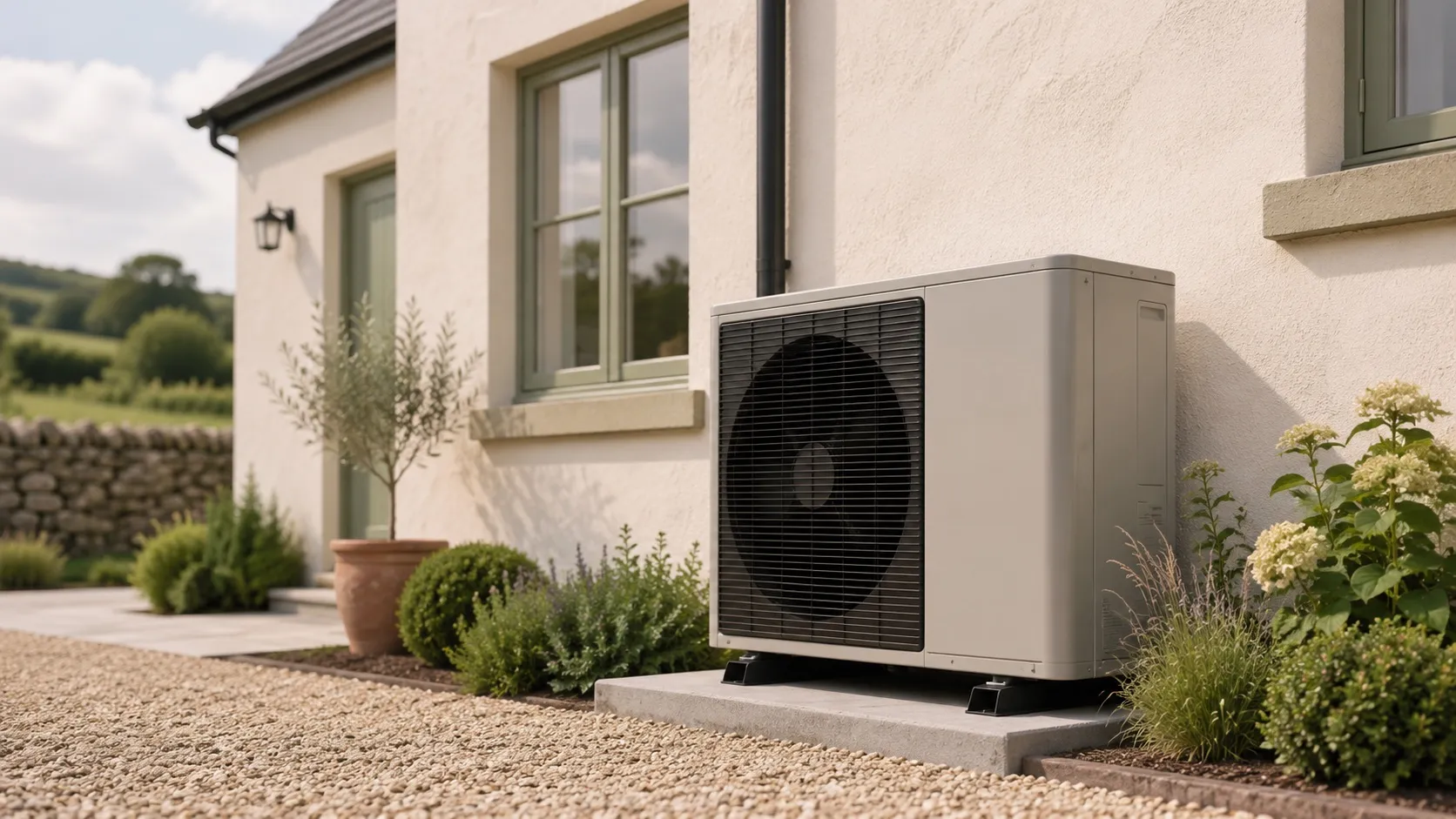
The big change in 2026: the air-to-water heat pump grant rose from €6,500 to up to €12,500, made up of:
| Component | Amount |
|---|---|
| Heat pump system | €6,500 |
| Central heating upgrade (radiators, pipework) | €2,000 |
| Renewable Heat Bonus | €4,000 |
| Total (up to) | €12,500 |
A heat pump grant requires a technical assessment confirming your home’s heat-loss indicator is low enough, meaning your home is well insulated first. More on that below.
How much will your home actually get?
Try the estimator for an indicative figure across the fabric measures, then we confirm your exact numbers, including your home type, welfare rate and heat pump eligibility, at a free assessment.
Book a free assessment for your exact figure.
Why the fabric comes first: most homes lose the majority of their heat through un-insulated surfaces, so that is where grants deliver the biggest return per euro.
Which upgrades, and in what order?
Doing measures in the right sequence is the difference between a grant that pays back and money that leaks away. The order that works:
- Attic insulation: cheapest, fastest, best-value. Almost always first.
- Wall insulation: either cavity (if you have a fillable cavity) or external (for solid walls or a full wrap).
- Airtightness and draught-proofing: seal the gaps you can’t see.
- Heat pump: once the home holds heat, an efficient system performs at its best.
- Solar PV: cut the electricity you buy in.
A worked example
Take a 3-bed semi-detached home in Cork built in the 1990s with a fillable cavity and an under-insulated attic. On the individual-grant route the fabric grants alone come to €1,300 (attic) + €1,200 (cavity) = €2,500, covering the large majority of those two jobs. Add a heat pump later, once the home holds heat, and the grant support climbs by up to €12,500 more. Bundle the lot through a One Stop Shop and the grants are netted off one invoice, with a target of a B2 BER at the end.
The exact figure depends on your home, but the pattern holds: fabric first, big grant coverage, then the heating.
Who qualifies for an SEAI grant?
Most owner-occupied and rented homes qualify, provided:
- The home was built and occupied before 2011 (for insulation grants).
- The works are carried out by an SEAI-registered contractor.
- A BER assessment is completed after the works.
- You haven’t already claimed a grant for the same measure on the same home.
- For a heat pump, a technical assessment confirms the home’s heat loss is low enough.
If you’re unsure, don’t self-disqualify: eligibility is the first thing we check, and it costs nothing to find out.
How to apply, step by step
Common mistakes that cost homeowners money
- Starting works before approval. Grants generally must be approved before work begins. Start early and you can lose the grant entirely.
- Using a non-registered contractor. Only works by SEAI-registered contractors qualify.
- Doing measures in the wrong order. A heat pump before insulation underperforms and costs more to run.
- Forgetting the BER. No post-works BER, no grant payment.
- Assuming you don’t qualify. Older homes, rented homes and homes with some existing insulation often still qualify.
The bottom line
SEAI grants in 2026 are more generous than ever: around 80% of the cost of attic and cavity insulation, thousands off external wall insulation, up to €1,800 for solar PV, and up to €12,500 towards a heat pump. Renovating an empty house? The separate Croí Cónaithe vacant property grant pairs with all of these. The value rewards doing it properly and in the right order: fabric first, heating second.
If you’re in Cork or anywhere across Munster, book a free home energy assessment and we’ll tell you exactly what your home qualifies for, at today’s rates.